
 TrendPedia
 It has been easy to find a job in India more than ever, but there was a cost to it. What required offices and face-to-face interviews can now be counterfeit using some few tools and an authentic online presence.
In 2025 the scammers will be able to make extremely genuine fake employment prospects with the help of artificial intelligence. They are not mere pay to get hired traps. They are recruiter-voices of the real world, refined emails, duplicated company logos, and interview processes that are entirely real. Even qualified and educated experts become victims of them.
It is more difficult to distinguish a real job and a scam. Fraud with the help of AI is cheaper and faster, and the job seekers are exploited at the time when they feel optimistic, pressured, and willing to trust.
The blog provides details of how AI-based employment fraud is carried out, why it is propagated so rapidly in India, and what to beware of to keep yourself safe.
What Are AI-Powered Job Scams?
AI-based job scam is a type of fraud scheme in which the fraudsters impersonate the recruiter or HR employees by making artificial intelligence appear natural. Rather than the thoughtless texts or the red flags, they develop the entire process of hiring that will seem and appear authentic.
They apply artificial yet official-looking company email addresses, AI-generated HR chats, responding instantaneously, clean offer letters with logos and signatures, and even voice-cloned telephone calls that appear to be recruiting in reality. Other scams include automated interview bots which pose pre-defined questions, imitating regular hiring cycles.
Everything is okay to the job seeker. The procedure is systematic, sensitive and reliable. The reality is revealed at the final stage when the company demands money, it is often on the basis of registration, training, background checks, or equipment purchases. At this point, there has already been the establishment of trust. This is the reason why such scams are effective.
Why Job Seekers Are Easy Targets
Job hunting is not only a process, but it is also an emotional process. Such emotional pressure has the ability to make even intelligent and experienced individuals weaken defenses. Job seekers are in most cases contending with:
- Need to find work quickly
- Desire better compensation or better way of living.
- Family or dependency pressure.
- Fear of missing out on a rare or once in a lifetime chance.
- Economic pressure or joblessness.
- Have faith in someone that seems to be helpful and professional.
This kind of mentality is exploited by scammers. They use their approach to make it sound quick, soothing and unique in such a way that the individual who is approached reacts emotionally rather than takes time to check.

Common Fake Job Scam Patterns in India
Whatsapp / Telegram Recruitment
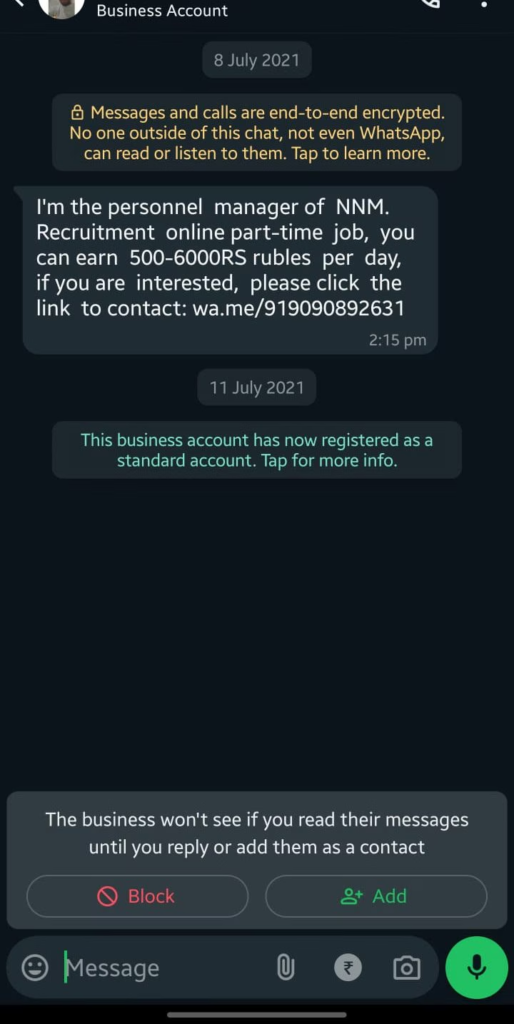
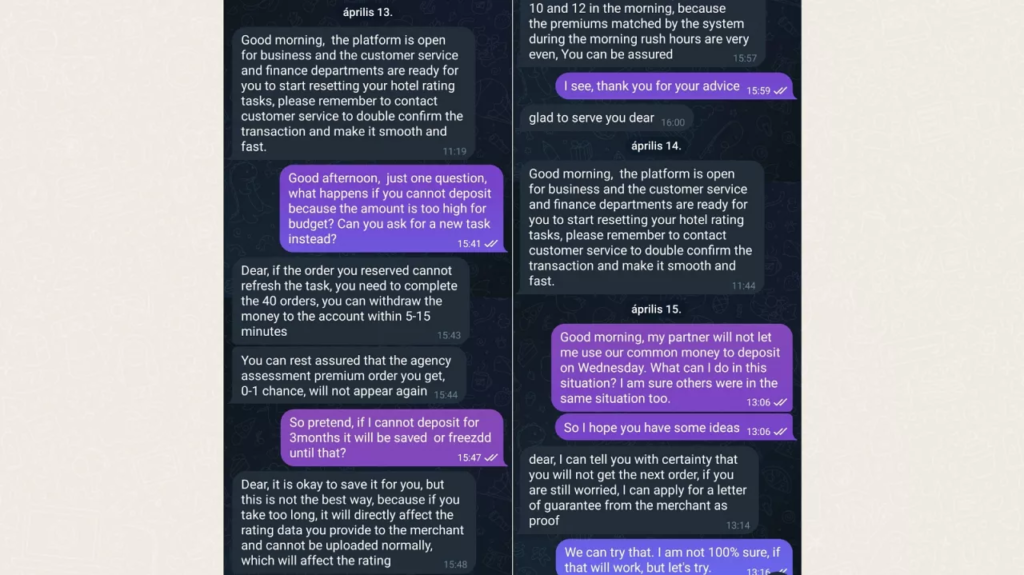
This is a common type of scam. There is a direct contact with an HR person even when you did not apply. They provide you with easy work and may pay you little money in the first place so that you believe they are honest. Once you have the belief, they request a registration fee or an activation fee. You pay and then they shut up and fade away.
Fake Offer Letter Scam
The scammer posts you an imaginary job offer without the actual interview. The letter appears formal, including logos and signatures of the company. They request processing, onboarding fees or training fees later. Fraudulent firms do not demand to be paid to hire the applicants.
AI Voice Impersonation
Fraudsters make calls in the name of recruiters or managers. With the help of AI voice cloning, the voice is soothing and professional. The pretentious authority causes you to become secure and hastens the rate of yielding.
Work-From-Home Trap
You receive online employment easily with the promise of receiving daily payment. Trust is established by making small initial payments. After being persuaded, they would request you to deposit more money in order to earn more. Once paid the promise is forgotten and you have gone bankrupt.
The tricks are effective since they combine the speed of contact, glossy looks and emotional stress. With the knowledge of warning signs, they can be identified.
Why These Scams Are Increasing Now
AI Renders Frauds to Appear Professional
AI has balanced the jagged edges that revealed frauds. Fraudulent emails, HR conversations, offer memos, and even interviews can now be generated at a fast rate and appear to be genuine company documents. A single scammer can now do what would have required an entire team to do with the appropriate equipment.
The Digital Hiring Boom
Recruitment has now become virtually all web-based. The increased number of applications, platforms, and remote jobs imply the existence of more potential victims. The noise makes it easy to hide scammers talking to the candidates on a one-on-one basis without having to meet them face-to-face.
Lack of Hope and Extreme Rivalry
The employment sector is saturated and rapid. This is exploited by scammers. They understand that lots of individuals are afraid of missing an opportunity when they wait and thus say join now or there are only a few spots or confirmation comes today so people do not look at the facts anymore.
It is not the fact that people are careless that leads to the increase in these scams, but technology, size, and pressure all contribute to favoring the scammer.
Warning Signs of a Fake Job Offer
The majority of the fake job scams do not work the minute you take a break and consider the fundamentals. The alert messages are easy to identify yet most individuals overlook them during a state of excitement or fear.
Watch out for these signs:
- There is no just interview or technical discussion.
- They request you to pay on anything- registration, training, verifying or equipment.
- They make you feel that you have to become a member immediately or confirm today.
- It is only possible to contact via WhatsApp or Telegram.
- The company does not have a confirmed HR contact and does not have a real company email domain.
- They offer a salary, which appears too high either to the job or to your experience level.
This is one of the rules that you cannot afford to overlook and that is, when a job offers you to pay to get an employment, then it is a fraud.
How to Verify a Job Offer Safely
Check the company website
Always cross-check the recruiter’s email ID with the official domain listed on the company’s website. Free email services or slightly altered domains are a major red flag.
Search the recruiter on LinkedIn
Legitimate recruiters usually have real profiles with work history, connections, and activity. Fake recruiters often have newly created or empty profiles or none at all.
Never pay any fee
No genuine employer will ask for registration, training, security, or onboarding fees. Payment requests are the clearest indicator of fraud.
Call the official company number
Don’t rely on the contact details shared by the recruiter. Find the company’s official number yourself and verify the job opening independently.
What to Do If You’ve Been Targeted
What to Do in Case You were Targeted.
No more talking or texting.
Do not send money, documents or OTP codes.
Inform the cybercrime portal of the occurrence.
Let others in job groups know.
Block the email addresses and numbers.
Early reporting would save you and prevent the scam to defraud other people.
The Bigger Issue
AI has transformed the working mode of fraud. There is no clumsier and easier to detect scams, fake looks more polished, real, and performs like genuine at each step. Fraudsters no longer just lie, they have an intention to lie on trust, urgency and hope.
This is particularly dangerous during the job search time, as the job seekers have already given this much concern. Even cautious individuals can be deceived before they realize when AI poses to be professional, authoritative, and caring.
Online job search requires a new mode of thinking today. You cannot just trust everything. Cross-examine all offers, ask questions to all recruiters and raise doubts on all urgent requests. Taking consciousness is not an option, it is a way of keeping safe.
My Honest Opinion
It is not really the technology that is a threat. AI is only a tool. The greater danger is to blindly trust a system that does not withhold the trust any longer. There is one hard rule that the job seekers must internalize and never compromise:
When money is concerned, it is not recruitment. It’s fraud.
No hurry, no document with a business appearance, no compelling voice and no large brand name transformation makes it otherwise. The opportunity is a fake one as soon as payment is introduced into the discussion.
Final Thoughts
Jobs scams that are driven by AI are on the increase due to the high vulnerability of individuals in this case since people have high hopes and decisions made under pressure. The technology does not coerce victims, it only urges them to do it quickly, before they can feel even verifiable.
The one defense is very simple and not to be bargained with: be careful, check everything, and never pay to get a job opportunity, however professional it may appear and sound. In the current digitalized job market, skills will help you to land a job, but it is awareness that will keep you out of trouble.
